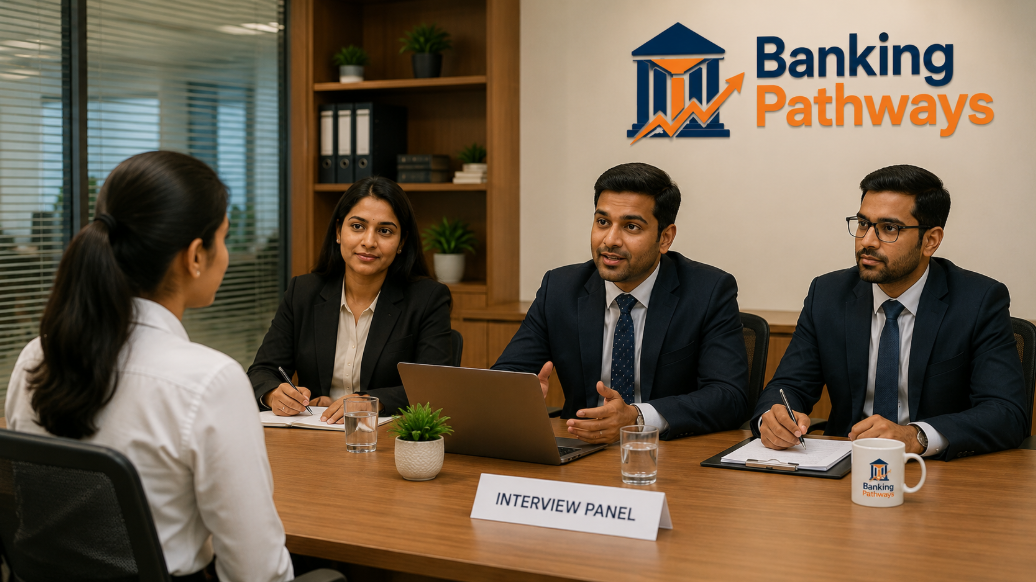

Getting shortlisted for a banking interview feels exciting for most fresh graduates. But the real pressure starts when candidates sit in front of the interview panel. Many students get nervous simply because they do not have prior work experience.
The good news is, they don’t want experienced candidates – but those, who have knowledge of real banking activities. So, if you have basic knowledge about such activities and have the confidence to handle such questions tactfully, you can be recruited easily.
Table of Contents
Why Banks Hire Freshers
Yes, it’s true that most banks prefer to hire freshers and retain them long time. The simple reason behind this is, they want fresh minds, fresh energies who are easy to train and have the zeal to grow through smart work.
For most entry-level roles, recruiters focus more on personality and soft skills than previous job experience.
What Interviewers Actually Observe
During interviews, banks usually evaluate:
• Communication skills
• Confidence level
• Positive attitude
• Customer-handling ability
• Professional grooming
• Basic banking awareness
This is why candidates with average academic marks sometimes perform better than highly qualified students who struggle with confidence.
Learn Basic Banking Concepts
This is the part where most students make the mistake. Before attending banking interviews, they must learn the basics of real banking processes, issues and terms – not just theory, but also from the practical world. This knowledge will give the interviewer the confidence to hire you promptly.
Important concepts include:
• KYC
• Savings and current accounts
• CASA
• Loans
• Credit cards
• Digital banking
• NEFT, RTGS, and IMPS
Knowing these basics shows seriousness and preparation.
Communication Makes the Biggest Difference
No matter how much knowledge you have, if you have a good communication skill, you can crack most of the interviews with less challenges. So, one must master a robust communication skill to make it a win-win situation.
Simple habits like speaking clearly, maintaining eye contact, dressing professionally, and answering calmly can create a strong impression.
Mock interviews and regular speaking practice help improve confidence significantly.
Why Practical Training Helps
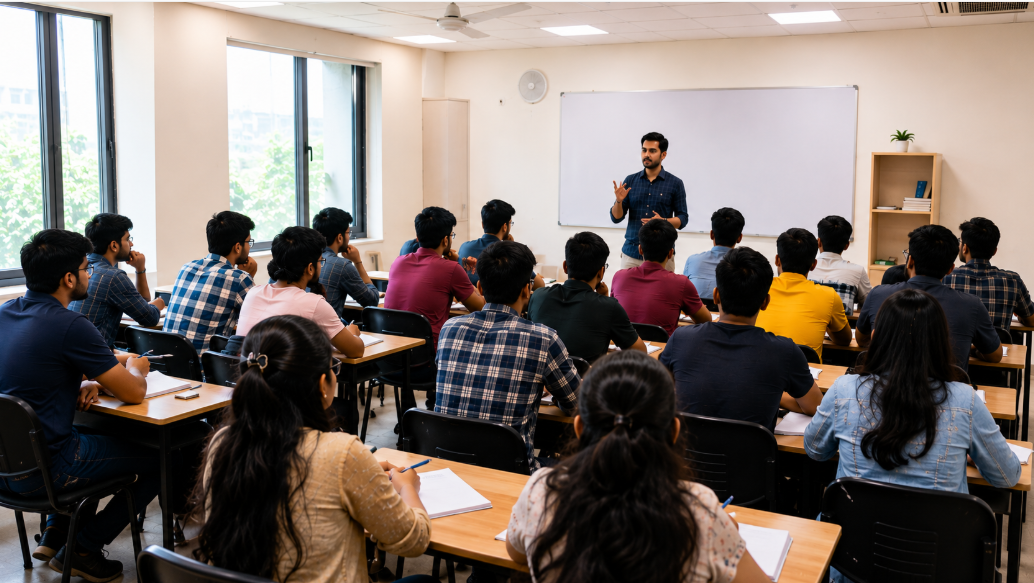
Many students only study theory and never understand how real banking environments work. Practical training helps candidates learn customer interaction, banking operations, interview handling, and workplace professionalism. If you want to get such practical training, simply Apply Now and get assured chance to grab your dream job.
At Banking Pathways, students receive industry-oriented guidance from experienced mentors and ex-bankers to help them become interview-ready and job-ready.